Book an appointment today
Temporomandibular Joint (TMJ) disorders can cause significant discomfort and affect your ability to perform everyday activities like chewing and speaking. Proper diagnosis and management are crucial to alleviate symptoms and improve quality of life. Effective diagnosis and management of TMJ disorders are essential for relieving pain and restoring normal jaw function. From self-care practices and medications to advanced treatments like muscle-relaxant injections, there are numerous options available to address TMJ issues. If you are experiencing TMJ symptoms, consult your dentist at Midway Dental Clinic.
The temporomandibular joint connects your jawbone to your skull and functions like a sliding hinge. TMJ disorders can arise from problems with the joint itself, the surrounding muscles, or both. Symptoms can include jaw pain, clicking or popping sounds, difficulty chewing, and headaches.
Muscle-relaxant injections provide targeted relief to the specific muscles causing pain and tension, offering significant and localised pain reduction.
TMJ Disorders and Muscle-Relaxant Injections Sydney are a non-surgical, minimally invasive treatment option, making them an attractive alternative to more invasive procedures.
The injection process is quick, typically taking only about 10-30 minutes, and can often be done during a regular office visit.
While the effects of muscle-relaxant injections are temporary, they can provide relief for several months, with many patients experiencing benefits for 3-4 months before needing another treatment.

Effective diagnosis and management of TMJ disorders are essential for relieving pain and restoring normal jaw function. From self-care practices and medications to advanced treatments like muscle-relaxant injections, there are options available to address TMJ issues. If you are experiencing TMJ symptoms, consult with your dentist and consider a referral to a TMJ specialist for comprehensive care.
Self-Care Practices
The following our some best practice home remedies:
Medications
For acute or short-term conditions, we can recommend over-the-counter medications such as ibuprofen or panadol to help reduce pain and inflammation. In addition, oral muscle relaxants such as diazepam can be used to relax jaw muscles and relieve pain.
Physical Therapy
Physical therapy can involve exercises, ultrasound therapy, and other techniques to improve jaw function and reduce pain. These can be provided by a licensed physiotherapist or chiropractor.
Splint Therapy
Wearing a dental splint or mouth guard can help reduce teeth grinding and clenching, and alleviate TMJ symptoms.
Muscle-Relaxant Injections
Muscle-relaxant injections are neuromodulators that can be used to treat TMJ disorders by relaxing the muscles around the jaw. These injections can be particularly effective for patients who have not responded well to other treatments and can provide significant relief from TMJ symptoms. The effects typically last for 3-4 months, and repeated treatments may be necessary.
Referral to a TMJ Specialist
For persistent or severe TMJ issues, we will refer you to a TMJ specialist. These experts can provide comprehensive care and advanced treatment options tailored to your specific condition.
Muscle-relaxant injections are neuromodulators, and work by blocking nerve signals to the muscles, causing temporarymuscle relaxation. These injections are widely known for their cosmetic use in reducing wrinkles, but they also have therapeutic applications, including the treatment of TMJ disorders.
Initial Assessment: Your dentist or TMJ specialist will evaluate your symptoms and medical history to determine a suitable treatment for you.
Treatment: During the procedure, a fine needle is used to inject small amounts of muscle-relaxant into the targeted jaw muscles. The process is usually comfortable, though you might feel a slight pinch or discomfort.
Post-Treatment Care: Following the injections, you can resume normal activities immediately. However, you should avoid strenuous activities, rubbing the injection site, or lying down for a few hours to prevent the toxin from spreading to unintended areas.
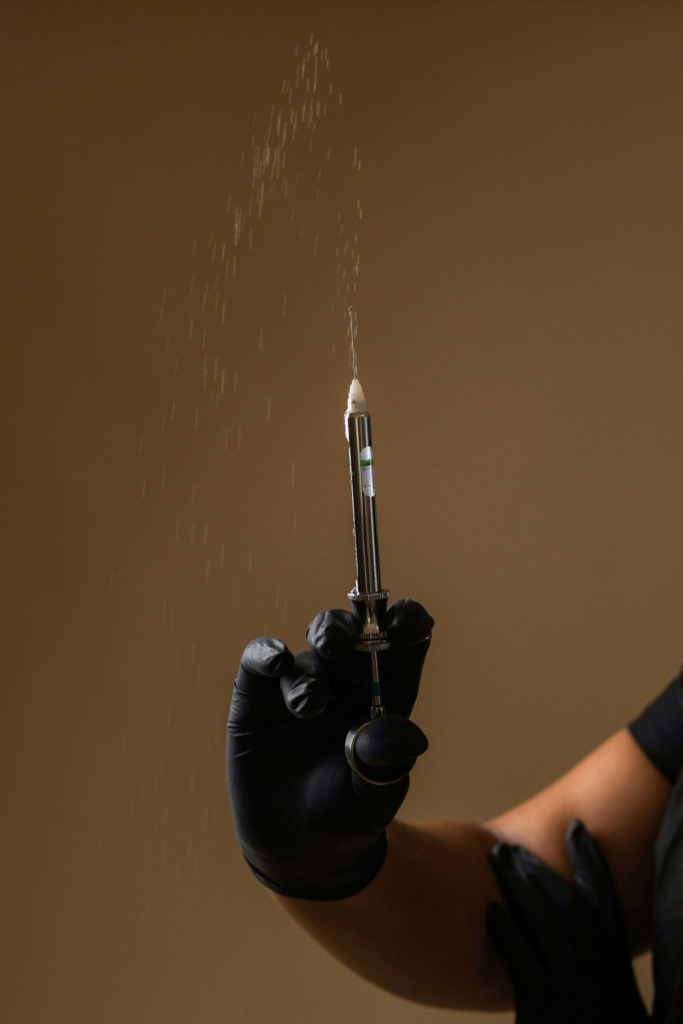
Most side effects are mild and temporary, including slight bruising, swelling, or tenderness at the injection site. In few cases, patients may experience more significant side effects which will be discussed before treatment.
Take the next step in prioritising your oral health with Midway Dental Clinic. Our experienced team of dentists in Sydney take the time to understand your needs and deliver care that feels personal, not rushed.
Book your appointment today and feel the difference a trusted team can make
We Accept All Major Health Funds